Baby Elephant Side View Applique Design Review
As an embroidery designer preparing for a seasonal boutique drop, I approach every new machine embroidery design with a critical eye. It is not enough for a graphic to look charming on a screen; it must translate into tactile reality on heavy garments. When evaluating the Baby Elephant Side View Applique for an upcoming premium sweatshirt collection, my primary focus is how this specific silhouette interacts with the plush texture of fleece and French terry. This review breaks down the technical and aesthetic viability of using this embroidery file for commercial apparel production, specifically targeting the nuanced demands of small shop owners and Etsy sellers who need their products to photograph well and withstand wear.
Aesthetic First Impressions and Boutique Appeal
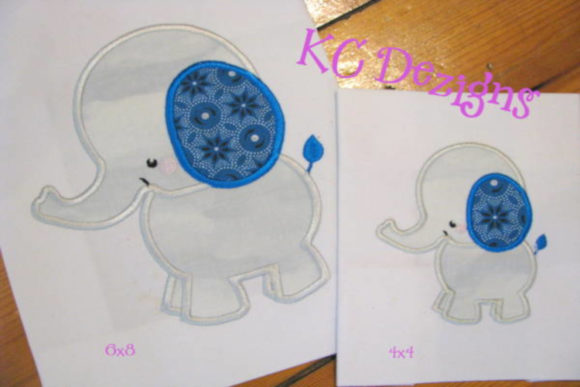
The side profile of a baby elephant offers a distinct advantage over front-facing animal designs: it creates a natural sense of movement and narrative. In my initial assessment, this layout feels inherently more sophisticated than standard nursery motifs. For a boutique brand, this distinction is vital. We are moving away from overtly juvenile aesthetics toward designs that appeal to modern parents and gift-givers who appreciate minimalist, rustic, or gender-neutral styling. The Baby Elephant Side View Applique strikes a balance between playful and refined, making it suitable for oversized hoodies in oatmeal, sage, and dusty rose tones.
Visually, the side view allows for cleaner appliqué lines. Without the complexity of symmetrical facial features, the design relies on the elegance of the curve and the proportion of the trunk and ear. This makes it an excellent candidate for sweatshirt embroidery where fabric texture can sometimes obscure fine details. The mood is gentle yet substantial, avoiding the "cheap clipart" look that can plague lower-quality digitizing. When mocked up on a cream-colored crewneck, the design reads as intentional and high-end, signaling to the customer that this is a curated handmade product rather than mass-market fast fashion.
Technical Performance on Heavyweight Fabrics
Designing for sweatshirts presents unique challenges compared to quilting cotton or linen. The pile of fleece and the stretch of knit fabrics require a robust stitch density and secure anchoring. When testing the Baby Elephant Side View Applique, I pay close attention to the tack-down stitches. For commercial embroidery on apparel, the appliqué fabric must be encapsulated securely to prevent fraying after repeated washing. A side-view elephant typically has larger surface areas for the body, which is beneficial for coverage, but the legs and trunk require precise column widths to remain legible without becoming stiff or bulletproof.
Stabilizer choice is non-negotiable here. For this hoodie design, I recommend a medium-weight cutaway stabilizer fused temporarily to the garment back, paired with a water-soluble topping to prevent the fleece pile from poking through the satin edges. The design’s structure suggests it will hold up well on 300gsm+ fabrics, provided the hooping is tight and the tension is balanced. Because this digital embroidery file comes in three hoop sizes, designers have the flexibility to scale appropriately. However, I always advise checking the specific dimensions against your machine’s capabilities before production, as resizing appliqué can sometimes distort the placement lines if pushed beyond safe limits.
Versatility Across Apparel Placements
One of the strongest selling points of the Baby Elephant Side View Applique is its directional versatility. Unlike centered symmetrical designs, a side profile can be mirrored or repositioned to suit different garment architectures. For a classic chest placement on a unisex sweatshirt, positioning the elephant facing inward toward the center seam creates a cohesive, heart-centered composition. Conversely, placing two elephants facing each other on toddler pants or sleeve cuffs adds a dynamic storytelling element that elevates the perceived value of the custom apparel.
For Etsy seller listings, this versatility translates directly to marketing assets. You can showcase the same design assets in multiple contexts: a large back print on a mama sweatshirt, a small pocket-sized accent on a baby onesie, or a sleeve detail on a cozy cardigan. The neutral nature of the elephant motif means it pairs effortlessly with various typography styles, from vintage serifs to modern hand-lettering. This adaptability is crucial for small business owners who need to maximize the ROI of a single embroidery file across an entire seasonal capsule collection.
Color Strategy and Thread Selection
While the file format compatibility (DST, EXP, HUS, PES, SEW, VIP, VP3, JEF, XXX) ensures you can open the design on almost any machine, the artistic success depends entirely on thread colors. For a premium boutique aesthetic, I strongly advise against using solid black outlines. Instead, opt for charcoal, warm brown, or slate grey to define the elephant’s shape. These softer tones integrate better with pastel and neutral sweatshirt bases, maintaining the cozy vibe essential for baby animals themed merchandise.
The appliqué fabric selection is equally important. Using a tone-on-tone textured fabric, such as waffle knit or minky, for the elephant body adds depth that thread alone cannot achieve. This layering technique enhances the tactile quality of the finished product, justifying a higher price point. When photographing for printable mockup previews or social media, ensure the lighting captures this texture. Flat, matte renders often fail to convey the craftsmanship of machine appliqué. Real photos showing the sheen of the rayon thread against the matte fleece help build buyer trust and reduce return rates by setting accurate expectations.
Commercial Viability and Brand Identity
Integrating the Baby Elephant Side View Applique into a product line is about more than just stitching a cute animal; it is about reinforcing brand identity. For shops specializing in nursery decor or children's wear, consistency in design style builds recognition. This particular design supports a cohesive visual language that can extend from apparel to matching burp cloths or tote bags. The clean lines and manageable stitch count make it efficient for production runs, reducing thread breaks and hoop time compared to overly dense fill-stitch designs.
Durability is the final metric for small shop product success. Parents expect children’s clothing to survive industrial laundering. Before listing any item featuring this design, run a wash test. Check that the appliqué edges remain smooth and that the garment fabric hasn’t puckered around the design area. If the Baby Elephant Side View Applique passes this stress test, it becomes a reliable staple in your catalog. Always verify the specific license terms included in your ZIP file regarding commercial use and resale to protect your business legally.
Final Designer Verdict
After reviewing the structural integrity, aesthetic flexibility, and commercial potential, the Baby Elephant Side View Applique earns a strong recommendation for boutique sweatshirt collections. It avoids the pitfalls of generic clipart by offering a sophisticated silhouette that respects the medium of fabric. Whether you are creating a limited holiday drop or expanding your evergreen basics line, this design provides the professional polish necessary to compete in the saturated handmade market. By paying attention to stabilizer, thread contrast, and placement strategy, you can transform this digital file into a tangible bestseller that resonates with customers seeking quality, comfort, and timeless charm.